Launch-Window Basics

Start strong with movement, saves, and side-job discipline

This page focuses on the beginner advice that survives cross-checking: why standing still gets punished, why saves matter more than pride, how side jobs quietly shape a clean run, and where new players usually lose upgrade flexibility.

Checked through Apr 23, 2026 Early-game survival Missable-content warning

What the game openly promises

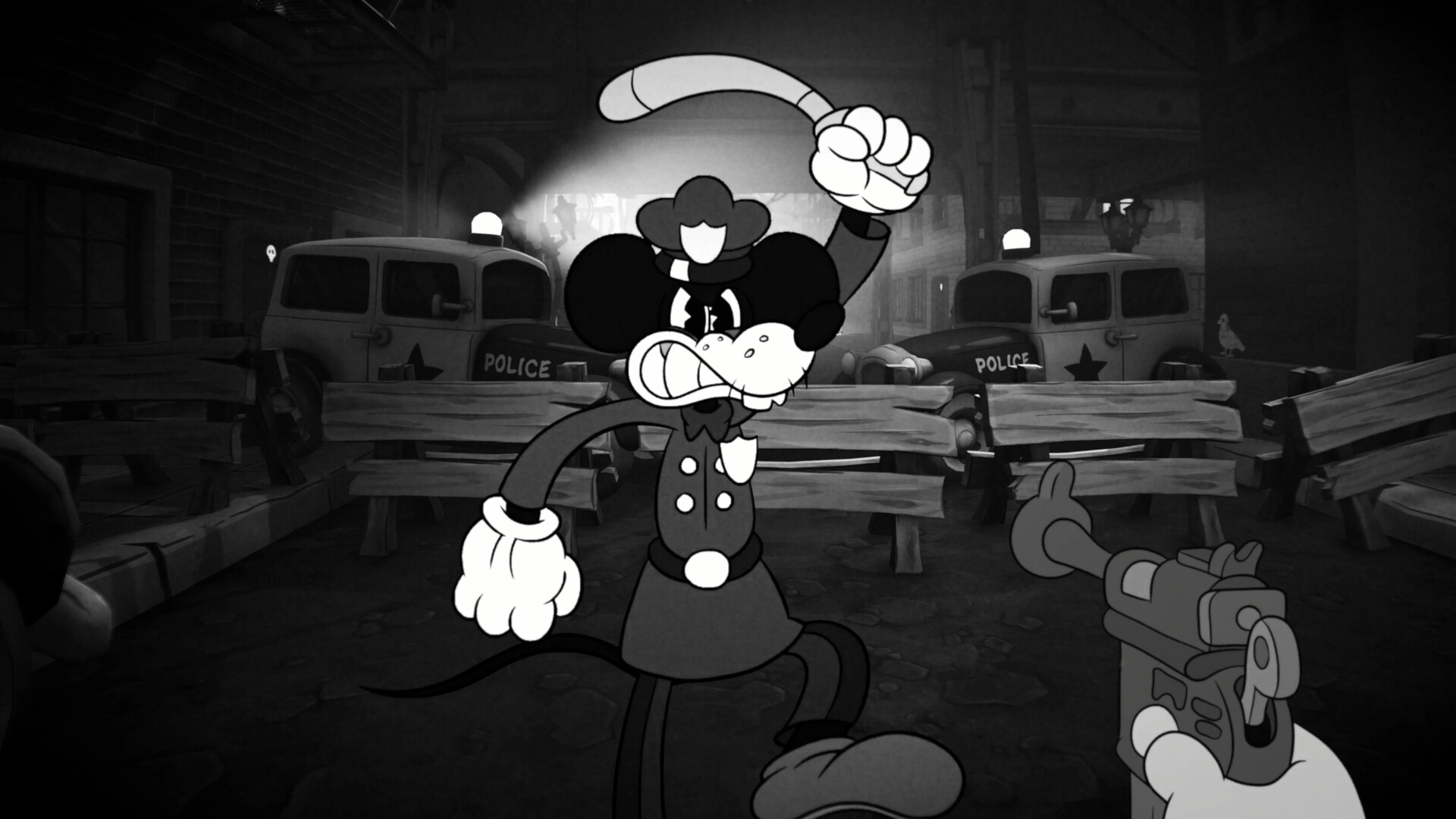
Official materials agree on the big picture: MOUSE: P.I. For Hire launched on April 16, 2026, has over 20 levels, rewards fast movement, and gradually unlocks traversal tools like wall-running, grappling, and double-jumping.

The game punishes passivity

The safest beginner mindset is not “play carefully behind cover.” It is “keep moving, keep checking side routes, and save before risky safes.” Launch-week guides are extremely consistent on that point.

The beginner habits that matter most

These are the launch-window habits supported by multiple public sources, not just one aggressive opinion piece or a half-finished community checklist.

Keep moving instead of turtling

Official store and FAQ copy say constant movement is key, and beginner coverage backs that up. Treat MOUSE more like a mobility shooter than a cover shooter, especially once wall-runs and double-jumps start joining your toolkit.

Manual saves are part of the game plan

Public launch roadmaps consistently recommend keeping a manual save after each mission. With no New Game+ and no mission replay feature, a careless save strategy creates more trouble than any one boss encounter.

Search vents, rafters, and optional rooms

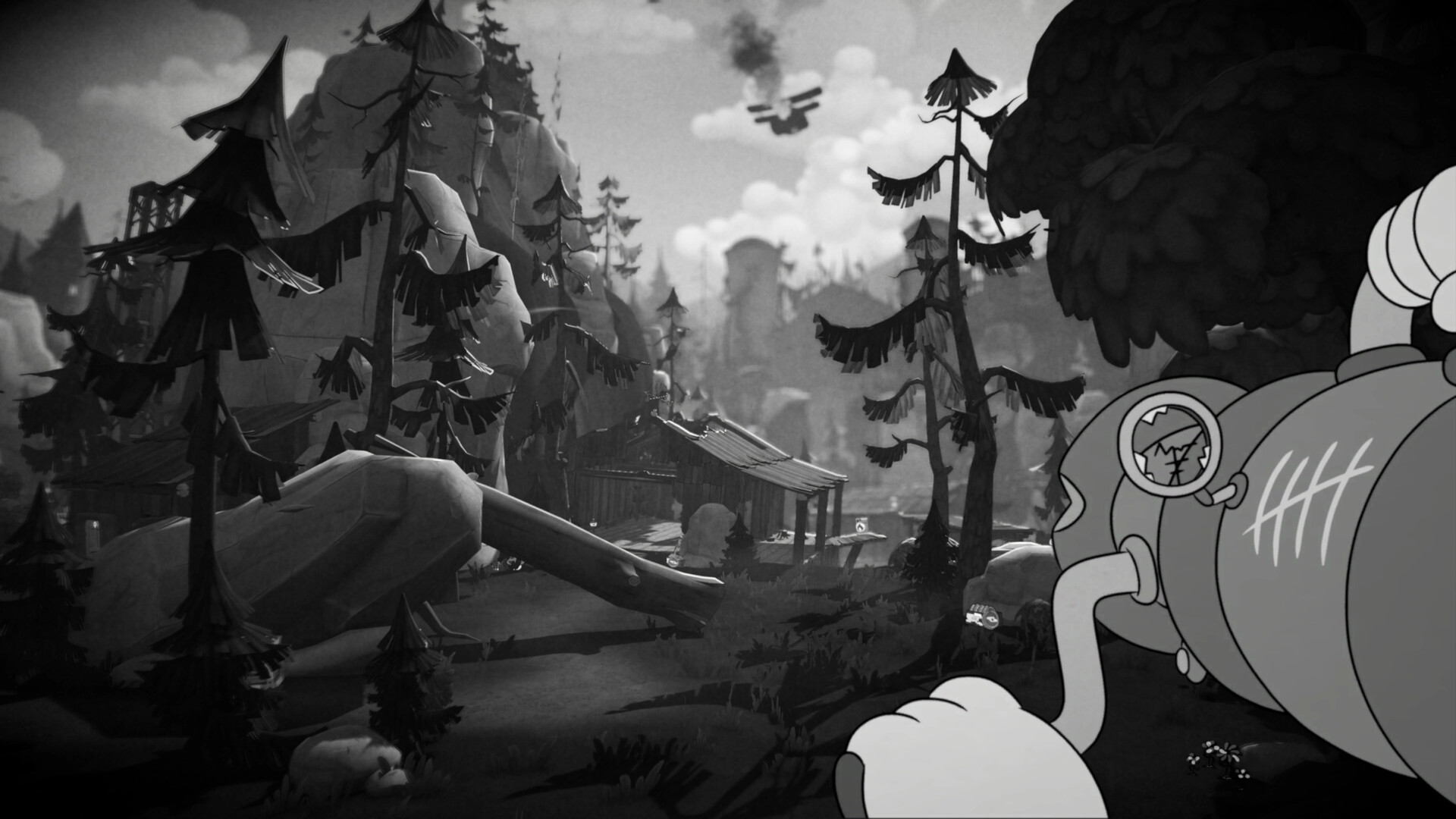
Launch guides repeatedly point beginners toward vertical routes, vents, locked doors, and tucked-away ledges. This is not flavor exploration. It is where cash, schematics, and collectible progress often hide.

Treat side jobs as live priorities

Current public mission coverage agrees that there are 14 side jobs tied to specific story jobs, and that missing them can permanently hurt a completionist run. New players should check the pause menu and P.I. Office before pushing the next case.

Beginner-friendly combat advice that holds up

The tips below focus on weapon matching and environment use because those are the areas where beginners gain the most stability without needing elite aim.

Use the right tool instead of forcing one favorite gun

Launch-week beginner and weapon guides line up on a few reliable enemy-matchup ideas. The Devarnisher is a safe recommendation against shielded enemies, larger melee bruisers are easier to control with close-range shotgun pressure, and heavier armored targets are commonly described as good targets for the Loose Cannon. That does not mean you need a rigid spreadsheet in your first hour, but it does mean stubbornly forcing one weapon into every encounter is rarely the easiest route.

The arena is part of your loadout

Multiple beginner and review sources describe MOUSE as a shooter that rewards environmental awareness. Explosive barrels, dangling hazards, and crush setups are not just spectacle. They are one of the easiest ways for a new player to reduce pressure during crowded fights without burning through healing and ammo discipline.

Why risky safes deserve a save slot

Tailpicking is not just a cute minigame. Public beginner and lockpicking guides agree that timed safes, especially black safes, can permanently jam if you fail them. That is why the best beginner habit is simple: save at the nearest typewriter before attempting any lock that looks punishing.

This matters even more because schematics are consistently reported as non-purchasable. If one of those safes was holding upgrade currency, there may be no shop-based cleanup later.

How to avoid early completionist mistakes

Public launch coverage agrees on three structural warnings: the game has 24 main missions, it has no New Game+, and it does not offer a standard mission replay feature. For beginners, the practical lesson is not “memorize every collectible.” It is “play each mission like it might contain something you cannot casually revisit later.”

That mindset also helps with the baseball card minigame and hub cleanup. Launch-window advice repeatedly treats Jack Squat as the moment where procrastination becomes dangerous, so anything tied to cards, side jobs, or shop cleanup is safer when handled before that late-game handoff.

Why beginners should care about schematics early

Even if you are not trying to 100% the game, schematics are worth respecting from the start. Public guides consistently describe them as upgrade currency used at B.A.N.G. stations, not throwaway collectibles, and launch coverage also agrees that each fully upgraded weapon takes multiple schematics to finish. If you skip every vent and safe in the early jobs, the result is not just lower completion percentage. It is weaker upgrade flexibility later.

What this page is based on

This page was written on April 23, 2026 using official FAQ and store material, plus launch-window beginner, mission, collectible, weapon, and trophy coverage published between April 16 and April 23, 2026. It is designed as a cautious first-run guide, not a promise that every edge case is patch-proof.

If later patches change side-job reliability, mission cleanup rules, or upgrade thresholds, check the News page first. Those are the parts most likely to shift after launch.