Combat Core
Always Moving
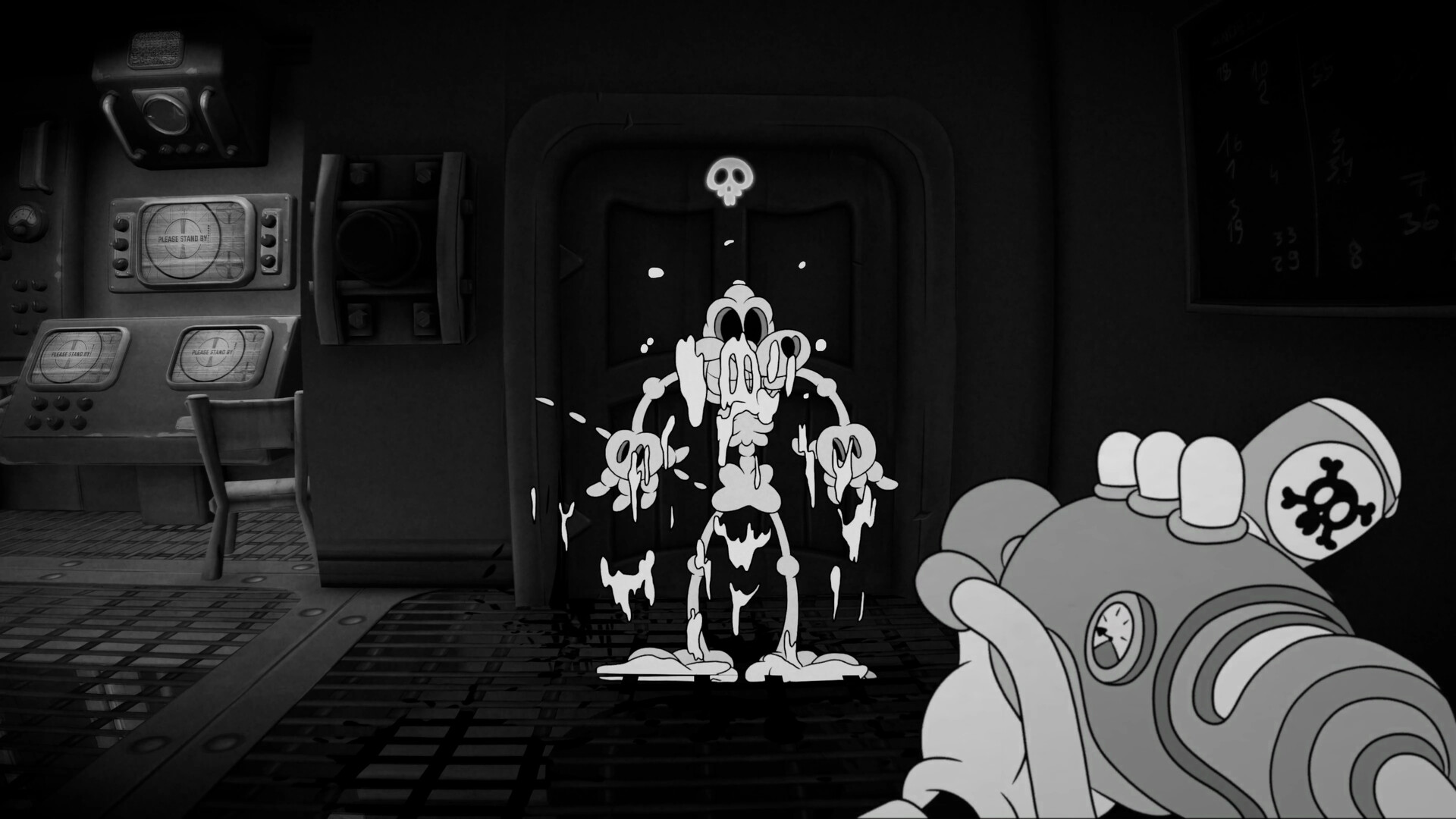
Fresh beginner coverage and review coverage both treat constant movement and strafing as a core survival rule, not optional style.
Tips / Advanced Play
This page is for the part after the beginner panic settles down. It focuses on the habits that current public sources keep agreeing on: keep moving, save before risky locks, treat Jack Squat like a deadline, and never confuse shop recovery with true route safety.
Combat Core
Fresh beginner coverage and review coverage both treat constant movement and strafing as a core survival rule, not optional style.
Risk Control
Tailpicking mistakes on black safes can permanently jam them, which turns a simple pre-lock save into one of the strongest habits in the game.
Late-Run Safety
Current route guides still treat Jack Squat as the practical hub cutoff for cleanup-sensitive systems.
Upgrade Truth
Shop recovery helps some collectible lanes, but current guides do not treat Schematics as a vendor-fixable category.
How Advanced Play Changes
The best advanced habit in MOUSE: P.I. For Hire is not a fancy aim trick. It is seeing how combat, locks, collectibles, and hub timing all lean on the same thing: good route discipline. The player who keeps one clean save trail, checks the room before moving on, and respects mission cutoffs usually has an easier time than the player who tries to improvise every cleanup later.
That is why this page avoids vague “play smarter” fluff. The strongest current sources are surprisingly aligned on the practical stuff: mobility matters, environmental kills are worth noticing, black safes deserve respect, and late cleanup gets much shakier once the hub-sensitive part of the campaign starts closing.
Combat Mood
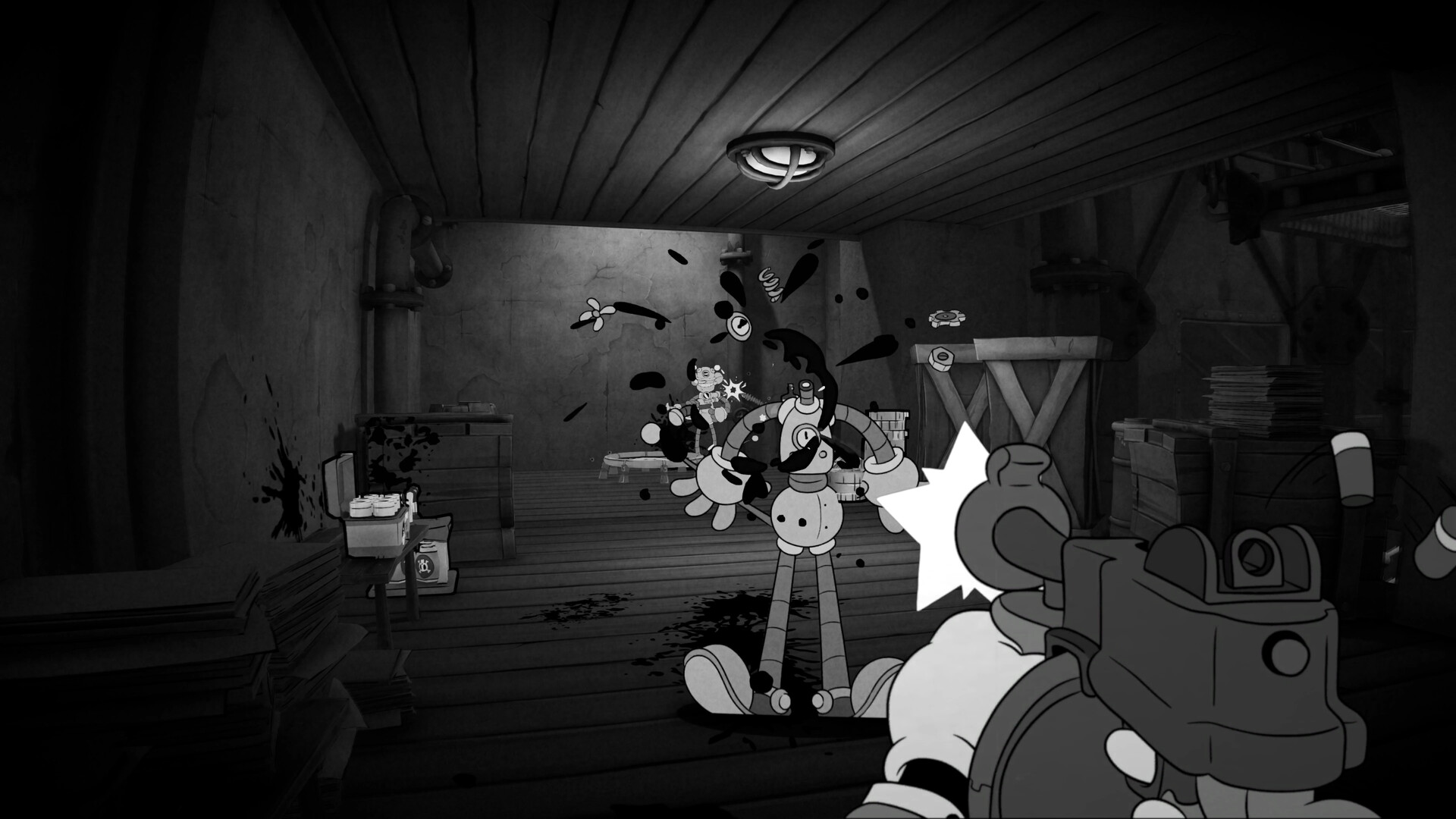
Reviews and guides both point to the same idea: when a room offers barrels, crush hazards, or better angles, using them is not a gimmick. It is part of how the game expects pressure to be managed.
Advanced Checklist
These are the strongest route-level tips from the current fact set. Where source support is slightly thinner, the wording stays practical instead of absolute.
Combat Habits
Standing still is one of the most consistently punished habits in current coverage. Keep strafing, use the short stamina dash to break melee pressure, and avoid turning fights into static peek battles.
Explosive barrels, pianos, and anvils are all supported by fresh coverage as real combat tools. If a crowded fight can be shortened by the room itself, take that discount.
Current trophy-route commentary especially likes the Devarnisher for corrosive damage-over-time on bosses. The source support here is solid but not broad enough to call it the only answer, so the safest takeaway is that sustained damage can keep value even during mobile boss behavior.
Locks And Saves
Lockpick guides agree that failed black safes can jam permanently. That makes a pre-lock manual save one of the highest-value habits in the whole run. If safes are the piece of the route you keep fumbling, open the dedicated Lockpicking Guide beside this page.
Current public guides explicitly mention 50 save slots. Keep milestone saves before risky missions, collectible-heavy stages, and hub-sensitive turns instead of relying on one rolling slot.
The no-replay warning is one of the strongest facts in the current route literature. If you leave a room with unfinished business, treat that as a conscious gamble, not as normal cleanup planning.
Route Habits
Side jobs, baseball-card related progress, and other hub-sensitive systems are much safer when pushed forward before Jack Squat. Current route consensus is strong on that point. If that cutoff is the specific thing you are trying to understand, keep the dedicated Jack Squat Cutoff Guide beside this page.
Official developer guidance says missed Newspapers, Comic Strips, and Baseball Cards can later appear in the shop. Useful, yes. Safe enough to stop checking rooms, no.
Current guides do not treat schematics as buy-back collectibles, and they also tie them directly to full-weapon-upgrade progress. If you are choosing between a vague future revisit and a schematic detour now, the detour usually wins.
Collectibles And Economy
Current guides place the Baseball Cards minigame at the Little & Big Bar hub and at Roadhouse bars during missions. That makes cards part route system, part economy system, and part unlock pressure. If the table itself is the thing you are trying to understand, keep the dedicated Baseball Card Minigame Guide beside this page.
Current card guides consistently describe a $50 minigame entry cost, though that number comes from a narrower source base than the major route facts on this page. It is still strong enough to justify the practical rule: natural pickups save both money and cleanup stress.
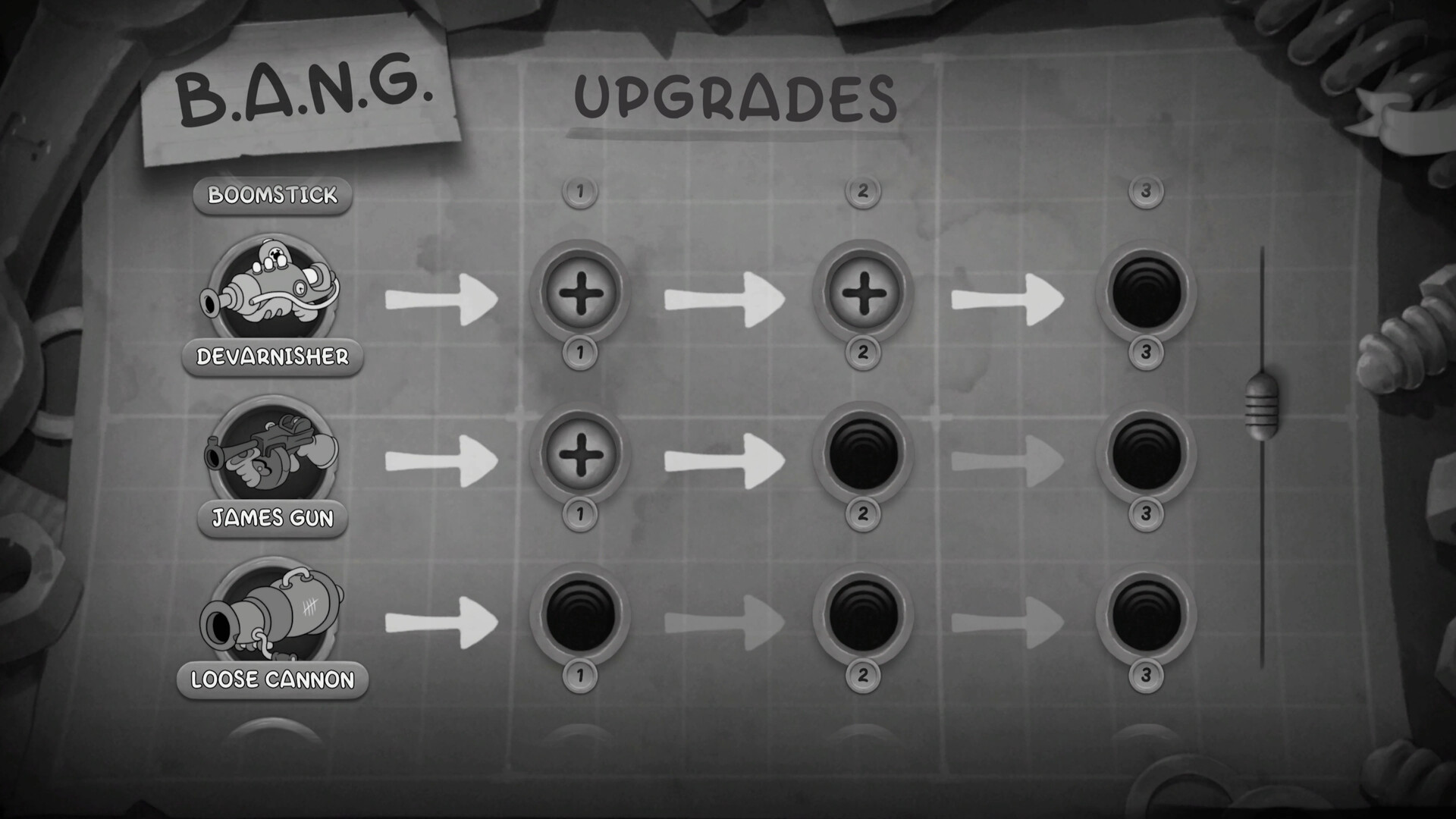
Current weapon guides describe the arsenal as being unlocked through normal campaign progress rather than through hidden vendors. The clean advanced takeaway is simple: plan upgrades around what the campaign is already handing you instead of hoarding for imagined secret-buy spikes.
Upgrade Reminder
The safest version of advanced play is boring in a good way: save often, clear the room while you are in it, and treat upgrade currency like progression instead of decorative loot.
FAQ
Keep moving and keep protecting your route with manual saves. Most of the page flows from that pair of habits.
Only partly. Current official guidance supports shop recovery for Newspapers, Comic Strips, and Baseball Cards, not for every collectible family.
Because current route guides keep treating it as the practical cutoff for hub-sensitive progress, and that affects much more than trophies alone.
Schematics are the clearest answer, because current guidance does not frame them as a shop-cleanup category and they directly shape upgrade flexibility.
Version Note
This page was written on April 28, 2026 using launch-window public guides, review coverage, the Steam achievements page, and an official Steam developer reply published or accessed between April 14 and April 28, 2026.
The parts most likely to need future updates are the Baseball Cards economy details, the strongest current boss-weapon recommendation language, and any patch that changes hub cleanup or replay behavior.