Upgrade Route

A schematic locations guide built around safe routing, not shaky totals

This page focuses on the schematic facts that survive cross-checking: where schematics usually hide, which missions reliably reward thorough players, why black safes deserve a save slot, and which late-game jobs are dangerous to leave until the end.

Checked through Apr 23, 2026 B.A.N.G. upgrade routing Count totals disputed

The stable part of the system

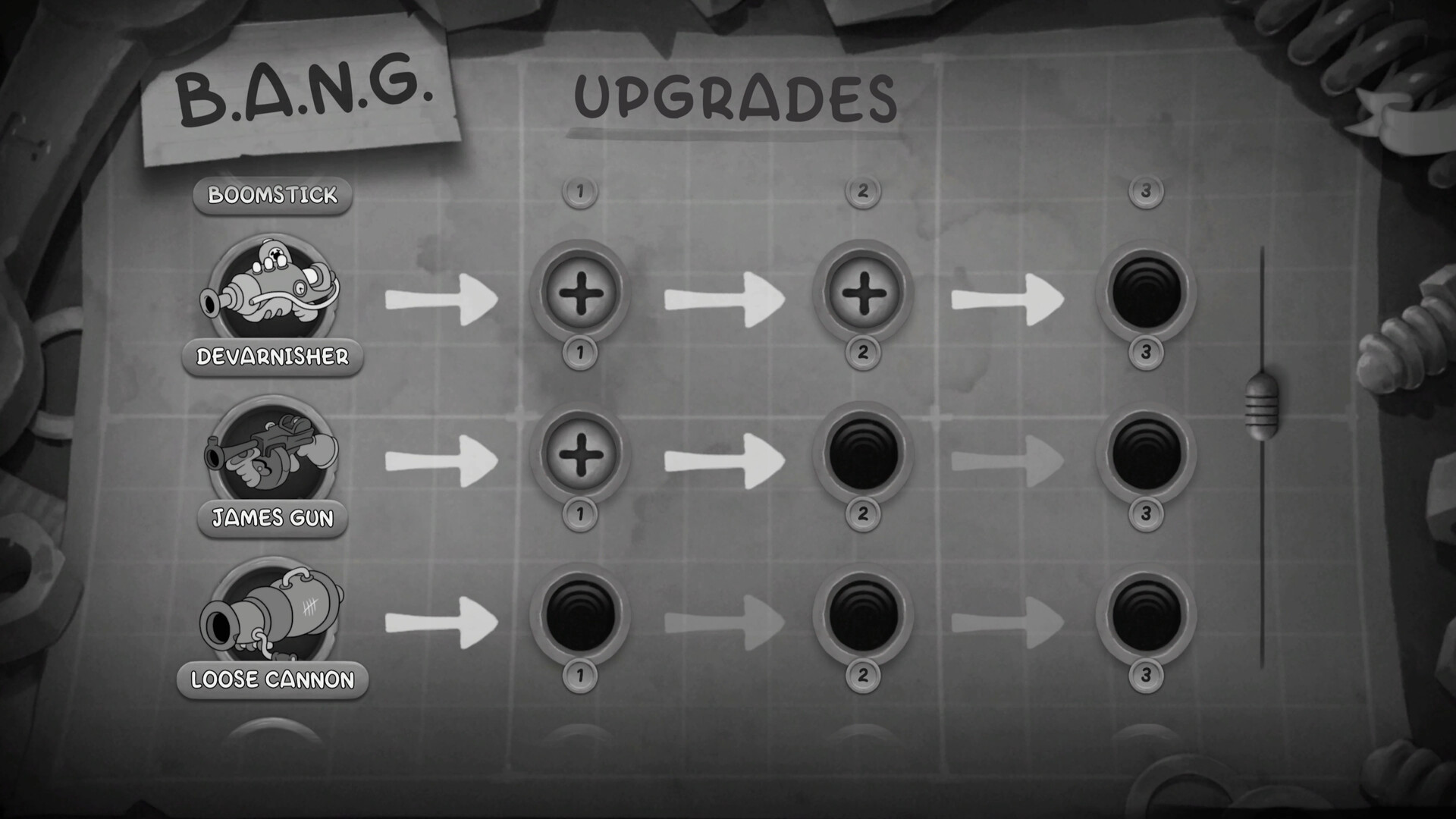
Launch-week guides agree that schematics are spent at B.A.N.G. upgrade stations, are not sold in the shop, and are commonly found in safes, on tables, pinned to walls, or behind breakable route detours.

Public totals still conflict

Current public guides disagree on the exact grand total of schematics and even on the exact fully-upgraded threshold. That is why this page prioritizes route logic and mission-safe pickup advice over pretending one disputed number is final.

Use this with the rest of the site

Pair this guide with the Weapons page for upgrade priorities, the Platinum Guide for missable planning, and the Walkthrough for mission order.

How schematics appear to work in the launch build

Public launch guides line up on the broad system even when some totals disagree. That gives us enough stable ground for a trustworthy route page.

B.A.N.G. stations matter

Fresh guides consistently describe B.A.N.G. stations as the place where schematics become weapon upgrades. Public launch coverage also consistently reports that each fully-upgraded weapon costs 9 schematics, even though broader total counts still conflict across guides.

Schematics are not shop cleanup

Unlike many newspapers, comics, or Baseball Cards, schematics are widely reported as non-purchasable. If you skip too many in-mission detours, you cannot count on the hub shop to clean up the problem later.

Where to look first

The recurring patterns are surprisingly consistent: safes, wall-pinned pickups, table edges, pallets, bunk beds, under-stair spaces, and side paths opened by explosive walls or traversal abilities.

Some are quest rewards

At least some public schematic guides explicitly state that a handful of schematics come from side jobs instead of lying in the level. That is another reason not to treat side quests as optional fluff if you care about upgrade coverage.

High-confidence schematic stops worth planning around

The locations below were chosen because they can be supported by more than one public launch source or by one detailed guide plus a matching broader route summary. This is not a speculative dump of every community rumor.

Big Mouse, Little Hope

The prologue already teaches the core schematic language: one appears in the early safe after the spinning-floor section, and later route notes consistently place additional schematics around the locked mechanical-door area, the ladder after Soyer's elevator scene, and the return visit to the same first safe. If you skip early safes here, you are practicing the wrong habits for the rest of the game.

The Vanishing Act

This is one of the cleanest missions for schematic routing. Cross-checked guides agree on four especially important stops: the apartment room opened with the Loft Key, a schematic near the subway typewriter, a safe on the train tracks after the enemy train ambush, and another pickup in the bathroom below the stairs. If your route guide only remembers one mission perfectly, this is a strong candidate.

Cheeseball Sub

Cheeseball Sub is where schematic hunting turns from “look around a bit” into real route discipline. Public guides consistently point to a bunk-bed pickup after the Ticket Booth Key path, a schematic in the tipped-over train after blowing open a wall, and a dangerous lower-area pickup after the second water glide. They also agree on a hidden-safe path after the vent section. This mission is one of the clearest reasons to save before tricky lockpicks and high-damage water sections.

Glugging from the Deep

Glugging from the Deep is important for two separate reasons. First, multiple sources place schematics at the opening warp pipe table, along the right-side roof-and-vent route at the port, near the underwater submarine-area safe, and by the giant dead fish after the Ze Professor encounter. Second, this mission sits close to late-game cleanup pressure, so leaving side jobs or route detours unresolved here can ripple into your final upgrade plan.

Jack Squat and Fair Enough

Even without trusting disputed grand totals, the late missions still deserve respect. Public schematic guides describe multiple pickups in Jack Squat, including wall-pinned and safe-based schematics, and they continue to place several more in Fair Enough. In other words, late-game missions are not “empty story corridors” from an upgrade perspective. If you arrive there already behind on schematic discipline, the endgame does not magically solve the problem for you.

Why black safes deserve a save slot

Fresh beginner and lockpicking guides agree on an easy rule to follow: timed or harsh lockpicks can permanently cost you the contents if you fail them. Since schematics are one of the most valuable things those safes can hold, the practical move is to save at the nearest typewriter before attempting any lock that looks punishing.

This is especially relevant in missions like Cheeseball Sub, where route guides already single out high-risk pickup paths. If your goal is full upgrade flexibility, “I'll probably get it on the first try” is not a route strategy.

What this page is based on

This page uses launch-window collectible and schematic guides published between April 16 and April 20, 2026, plus beginner-oriented lockpicking advice from the same release window. It is designed to stay useful even while public grand totals are still unsettled.

If later patches or better-documented guides settle the total schematic count cleanly, this page can be upgraded into a full count-accurate mission ledger. For now, it is intentionally a high-confidence route page instead of a fake-precision spreadsheet.