Verified Story Guide Mouseburg Spoiler-Light

Mouse PI For Hire Lore & Story Guide

MOUSE: P.I. For Hire works because its world is more than a visual gag. Under the rubber hose animation and slapstick violence, Mouseburg is built as a crooked noir city full of conspiracies, social tension, and a detective story that starts small and keeps widening.

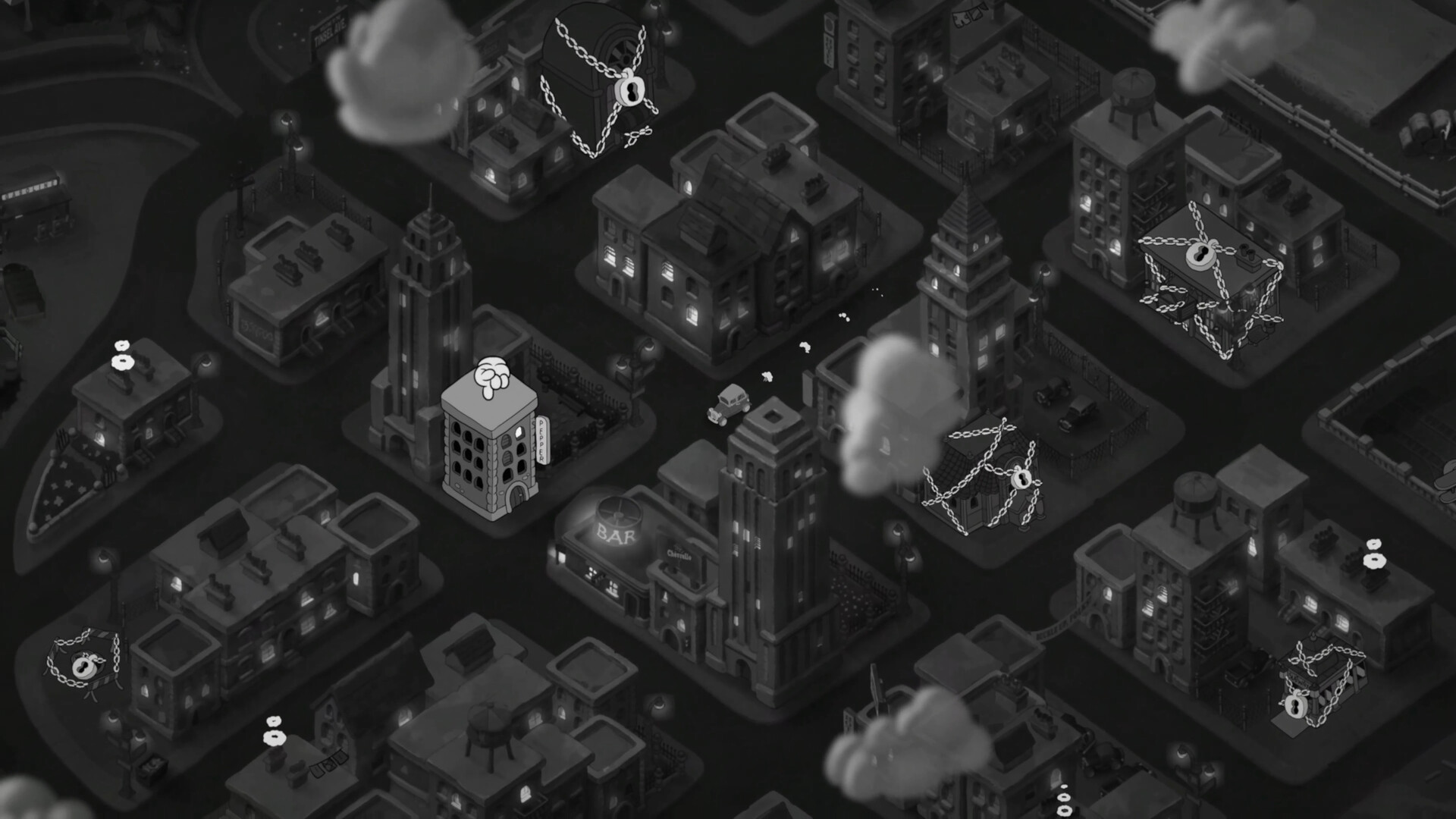
MOUSE: P.I. For Hire city map artwork used for the lore and story guide

Jack Pepper

The official premise frames Jack Pepper as a former war hero turned private investigator, which gives the whole story its bruised-but-still-moving center. If you want the spoiler-light character page instead of the broader setting page, open the Jack Pepper Character Guide.

Wanda Fuller

Current cast material frames Wanda Fuller as Mouseburg's resident journalist, always hunting for a story and ready to expose the city's corruption. For the spoiler-light character page, open the Wanda Fuller Character Guide.

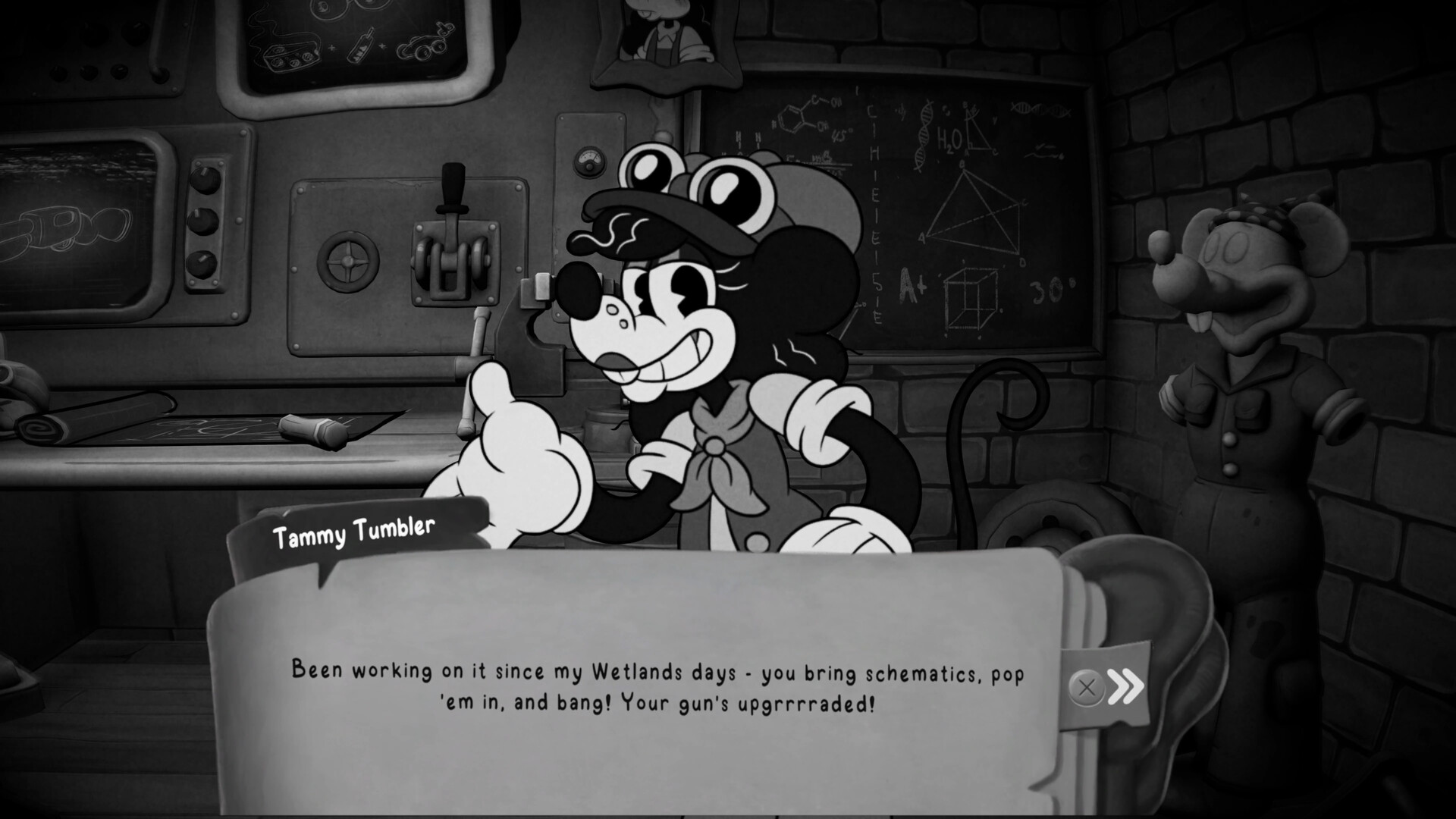
Tammy Tumbler

Current cast material frames Tammy Tumbler as Jack's right-hand, helping with inventions, upgrades, and practical support. For the spoiler-light character page, open the Tammy Tumbler Character Guide.

Cornelius Stilton

Current cast material frames Cornelius Stilton as a calculating politician who uses his connections to supply Jack with essential information. For the spoiler-light character page, open the Cornelius Stilton Character Guide.

John Brown

Current cast material frames John Brown as the proprietor of the Little & Big pub in the heart of Mouseburg and an overall titan of hard work. For the spoiler-light character page, open the John Brown Character Guide.

Mouseburg

The city is not just a backdrop. Fresh official and review coverage consistently treats Mouseburg as a living noir space full of dark streets, studios, sewers, swamps, docks, and corruption. If you want the spoiler-light city power map rather than the broad lore overview, open the Mouseburg Factions & World Structure page. If you want the place-by-place spatial reading instead, open the Mouseburg Locations Guide.

Small Case, Big Conspiracy

The plot begins with a missing-persons case, then escalates into a wider knot of corruption, kidnapping, and murder.

Clue Board

Clues, photos, and witness information all feed back into Jack's office board, which is one of the clearest ways the game turns worldbuilding into playable structure. If you want the return-loop page around the office, pub, and workshop, open the Mouseburg Hub Guide.

Ending Explained

If you have already finished the campaign and want the spoiler-heavy version, open the Story Ending Explained page for the BMP conspiracy, Ze Professor clue, and Milford Soyer payoff in one place.

Why Mouseburg lands as more than a visual gimmick

The most reliable thing to say about MOUSE: P.I. For Hire's setting is that it takes its noir fantasy seriously enough to build a social world under the art style. Reviews and official material both point toward the same backbone: a city with crooked cops, gangs, cheap glamour, and a detective who starts with one case and keeps discovering that the rot goes deeper than expected.

That is also why the black-and-white cartoon presentation works. It is not there to replace tone. It is there to sharpen it. The game's violence becomes stylized, the humor becomes more elastic, and the corruption somehow feels even seedier because the whole thing is dressed like an old theatrical illusion that no longer hides the machinery behind it.

If you are coming here after the early campaign, the cleanest spoiler-light summary is simple: the story wants you to feel that every district of Mouseburg has its own layer of performance, grime, and compromise. The city is the mystery's mood engine as much as its stage.

MOUSE: P.I. For Hire official artwork used as a divider for story and lore analysis

This world laughs, but it rarely laughs because things are fine

The slapstick energy matters, but it often works like a mask. Beneath it, the game keeps returning to dirty institutions, exploitative power, and the feeling that every performance in Mouseburg is hiding one more bad bargain.

The worldbuilding pillars with the strongest current support

These themes are built from the parts of the setting that stay consistent across official copy and release-window criticism.

Pillar 1

Mouseburg as a corrupt performance city

The place list alone tells part of the story: dark streets, film studios, opera interiors, swamps, sewers, subways, docks, and riverboat-style spaces. It reads like a city constantly staging itself while the machinery underneath keeps leaking through.

Pillar 2

A noir mystery that keeps widening

Official material starts the story with one missing-persons case, but the tone of the broader coverage is clear: that case opens outward into corruption, kidnapping, and murder, which is exactly the kind of widening spiral noir loves.

Pillar 3

The clue board makes lore feel playable

Clues are not just menu collectibles. Objects, photographs, and witness information all route back through Jack's office board. That turns the city's lore into a rhythm of gathering, organizing, and re-reading the case.

Pillar 4

Environmental storytelling does real work

Release-window criticism gives a consistent picture of the city beyond the main cutscenes: newspapers hint at strikes, political movements, and criminal exposés, while the world itself normalizes things like dairy-based narcotics and black ink standing in for blood. Even when the story jokes, the setting keeps feeding you social texture.

The safest bigger reading of the story

Without sliding into unsupported theory, the strongest bigger reading is that MOUSE: P.I. For Hire is interested in how a city sells innocence while running on compromise. The cartoons are charming, the jokes are nimble, and the noir machinery keeps reminding you that systems of power are still systems of power, even when everyone has white gloves and pie-eyes.

That is where the side details start mattering. Named figures, party tensions, worker unrest, and neighborhood flavor all point in the same direction: Mouseburg is not only a place where crimes happen. It is a place built to produce them, hide them, and sometimes profit from them.

The most important caution is not to oversell the game as a pure deduction sim. The clue board is a real storytelling tool, but review coverage is clear that the actual linking process is more automated than free-form detective roleplay. The atmosphere carries more interpretive weight than the mechanics do.

MOUSE: P.I. For Hire gameplay screenshot used to support noir worldbuilding analysis

The city is doing half the storytelling for the script

If you race through objectives, the plot still works. If you slow down enough to notice the names, neighborhoods, side textures, and case-board rhythm, Mouseburg starts feeling like the main character's most convincing enemy.

Quick lore answers

Who is the main character in MOUSE: P.I. For Hire?

The protagonist is Jack Pepper, a former war hero turned private investigator.

What city is the game set in?

The story takes place in Mouseburg, a noir city whose districts range from opera spaces and studios to sewers, swamps, docks, and darker political undercurrents.

Does the story start as a single case?

Yes, but only at first. The official premise begins with a missing-persons case, and reliable coverage agrees that it quickly grows into a larger corruption story.

Is the clue board a full deduction simulator?

Not really. The clue-board system is real and important to the atmosphere, but review coverage says the actual linking process is more automated than a fully manual deduction game.

What this page is based on

This page was updated on April 29, 2026 using official store copy, official Xbox Wire features, and release-window review coverage that discusses Mouseburg's politics, environmental storytelling, and clue-board structure.

The parts most likely to need revision later are deeper named-character breakdowns, any future developer interviews clarifying the setting's politics or factions, and any attempt to go beyond spoiler-light theme analysis into a fully chapter-by-chapter plot reconstruction.